
In this article
- Transit versus import: the idea that explains everything
- The stages of DRC customs clearance for transit cargo
- Documents for DRC customs clearance
- Transit bonds and guarantees
- DRC clearing and forwarding: what to expect from your agent
- Common mistakes that delay DRC-bound cargo
- How Haraka Freight helps
- Conclusion
Importing into the Democratic Republic of the Congo through East Africa means dealing with several customs administrations before you even reach the Congolese one. A container landing at Mombasa or Dar es Salaam for Goma, Bukavu or Lubumbashi will be declared, guaranteed, sealed, checked and handed over several times. Only at the end of that chain does DRC customs clearance itself begin.
This guide explains how the whole process works, stage by stage. It is written for importers, procurement teams and suppliers who want to understand what their clearing agent is doing and how to avoid the problems that hold cargo at borders. It does not replace advice on a specific shipment: rules change, and every consignment is a little different.
Transit versus import: the idea that explains everything
The most important concept in DRC-bound logistics is the difference between transit and import.
- Import means the goods are released for use in a country. Duties and taxes are paid there.
- Transit means the goods pass through a country on their way somewhere else. They stay under customs control, nothing is paid there except fees and charges for services, and the country's customs authority wants proof that the goods left.
DRC-bound cargo is in transit in Kenya or Tanzania, and in Uganda, Rwanda or Zambia if it crosses them. It is imported only in the DRC. If a document or declaration treats the goods as an import in a transit country by mistake, the shipment can be delayed for a long time while it is corrected.
The DRC joined the East African Community in 2022. However, the EAC Single Customs Territory, which lets goods for Rwanda, Uganda or Burundi be declared once at destination, is operated by partner states with integrated systems. DRC imports are still cleared through the DRC's own procedures with the Direction Générale des Douanes et Accises (opens in a new tab) (DGDA).
The stages of DRC customs clearance for transit cargo
Stage 1: before the goods are shipped
Most clearance problems are created before the cargo leaves the supplier. At this stage:
- confirm the exact destination in the DRC, because it decides the route and the entry point;
- make sure the bill of lading names the DRC consignee and shows the DRC as final destination;
- check that the commercial invoice and packing list describe the goods precisely and agree on quantities, weights and values;
- obtain any permits or certificates required for regulated goods;
- confirm whether pre-shipment or cargo-tracking documents are required for your goods and routing, and arrange them at origin if so.
Stage 2: at the port of discharge
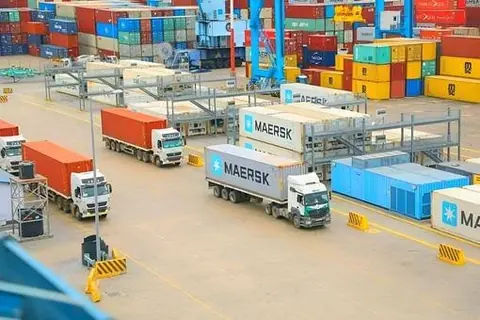
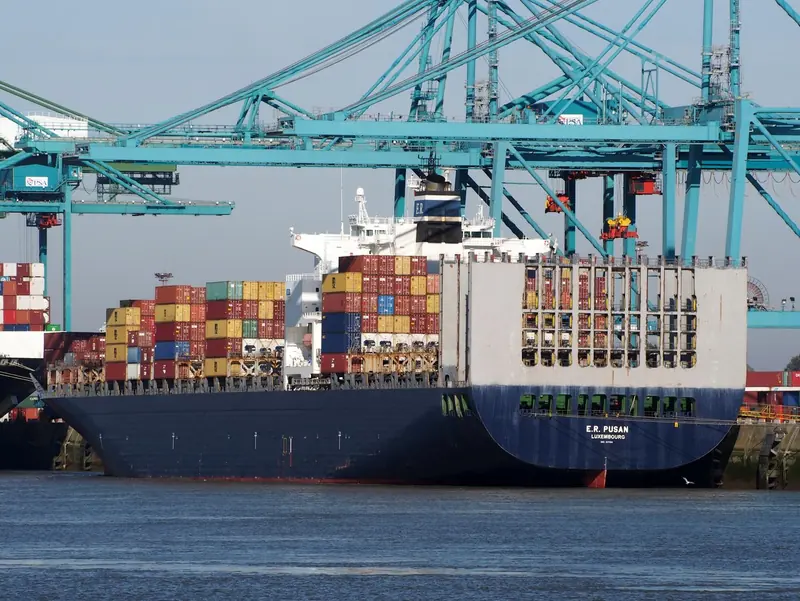
At Mombasa or Dar es Salaam, the cargo is entered for transit, not for import. The forwarder lodges a transit declaration with the port country's revenue authority, provides a guarantee for the transit, and arranges release from the shipping line and the terminal. The container can then leave the port under customs control.
For the port stage in detail, see transit cargo from Mombasa and transit cargo from Dar es Salaam.
Stage 3: through each transit country
At every border before the DRC, the same pattern repeats:
- the transit is closed in the country the truck is leaving, which allows that country's guarantee to be released;
- a transit is opened in the next country, with a new declaration and guarantee where required;
- seals and documents are checked.
On the Northern Corridor, transit trucks in Kenya, Uganda and Rwanda are monitored through electronic seals under the Regional Electronic Cargo Tracking System (opens in a new tab), launched in 2017. Tampering or unexpected stops are reported to customs.
Stage 4: arrival at the DRC border
When the truck reaches the DRC, the last transit is closed on the exit side and the goods are presented to the DGDA. Depending on the arrangements, the import declaration is processed at the border post or the goods continue under Congolese customs control to an inland office.
| Region | Common entry points |
|---|---|
| North Kivu | Rubavu–Goma (from Rwanda); crossings from Uganda such as Mpondwe–Kasindi and Bunagana |
| South Kivu | Rusizi–Bukavu (from Rwanda) |
| Haut-Katanga | Kasumbalesa (from Zambia) |
Stage 5: assessment and payment
The DGDA assesses the declaration: tariff classification, customs value and origin determine the duties and taxes due. Once these are paid, the process moves on. The more precise your invoice descriptions and classifications, the fewer questions at this stage.
Stage 6: inspection, if selected
Some consignments are selected for document checks or physical inspection. Regulated goods may also be checked by other agencies. Your agent attends the inspection, answers questions and provides any extra documents requested.
Stage 7: release and delivery
After payment and any inspection, the goods are released. The truck delivers to the consignee's premises, and the empty container begins its journey back to the shipping line's depot.
Documents for DRC customs clearance
| Document | Purpose |
|---|---|
| Bill of lading | Shows the DRC consignee and final destination; needed to release the cargo |
| Commercial invoice | Basis for customs value; must describe goods clearly |
| Packing list | Used to check the cargo at borders and inspections |
| Transit declarations | One per transit country, with guarantees |
| DRC import declaration | Lodged for DGDA assessment and payment |
| Importer registration details | Identifies the importer to DRC authorities |
| Pre-shipment or cargo-tracking documents | Required for some goods and routings; confirm before shipping |
| Permits and certificates | For regulated goods such as food, medicines, chemicals and some equipment |
| Certificate of origin | Where a tariff preference is claimed |
Transit bonds and guarantees
Each transit country wants assurance that it will be paid if the goods do not leave as declared. That assurance is a transit bond or guarantee, usually provided by the forwarder or a bonding company. The bond is released when the transit is closed at the exit border.
Bonds matter to you for two reasons. First, they cost money, so they appear on your quote. Second, if a transit is not closed properly, the bond stays open and the forwarder's ability to move other cargo can be affected. A forwarder who manages transits carefully protects both your shipment and theirs.
DRC clearing and forwarding: what to expect from your agent
A good DRC clearing and forwarding partner should:
- review your documents before the supplier ships, not after the cargo arrives;
- explain which route and entry point they recommend, and why;
- lodge transit declarations and manage bonds in each country;
- keep you informed at each border;
- coordinate the DRC import declaration, payment and inspection;
- tell you promptly about border closures or new requirements.
Our article on clearing and forwarding across East Africa explains how clearing agents and forwarders divide this work.
Common mistakes that delay DRC-bound cargo
- Inconsistent consignee details across the bill of lading, invoice and declaration.
- Vague descriptions such as "spare parts" or "general goods", which invite reassessment.
- Missing pre-shipment documents that cannot be issued once the cargo has sailed.
- Entering goods for import in a transit country by mistake.
- Transits not closed at the exit border, leaving bonds open.
- Dispatching without checking the border situation. An Ebola case confirmed in Goma in May 2026 led to the Goma–Rubavu posts being shut, with restrictions only eased around a month later (The EastAfrican (opens in a new tab)).
- Not planning the container return, which leads to detention charges.
How Haraka Freight helps
Haraka Freight International is a logistics company based in Kigali that transits commodities to Goma and Bukavu. For DRC-bound shipments we check documents before shipping, enter the cargo for transit at the port, manage the transit declarations and bonds through each country, coordinate the border crossing and the hand-over for clearance with the DGDA, and keep you updated when conditions change. Our route services cover Mombasa to DRC logistics, Dar es Salaam to DRC logistics and overland routes such as Kenya to the DRC. For Rwanda-side clearance, see our customs clearance in Rwanda service.
Conclusion
DRC customs clearance for transit cargo is a relay: each country takes the goods under its control, passes them on, and finally the DGDA imports them. When documents are consistent, transits are opened and closed correctly and the border situation is checked before dispatch, the relay runs smoothly. When any of these steps is skipped, the cargo waits. If you would like an experienced team to manage the relay for you, request a quote.
Sources: Direction Générale des Douanes et Accises (DGDA) (opens in a new tab); World Customs Organization, RECTS launch (2017) (opens in a new tab); Tanzania Revenue Authority, Single Customs Territory (opens in a new tab); The EastAfrican (2026) (opens in a new tab).
Frequently asked questions
Who handles customs clearance in the DRC?
The Direction Générale des Douanes et Accises (DGDA) is the DRC's customs and excise authority. Import declarations for goods entering the DRC are processed by the DGDA, and other agencies may check regulated goods.
Do I pay duties in Kenya, Tanzania, Uganda or Rwanda on DRC-bound goods?
No, not if the goods are correctly entered for transit. They move under customs control, usually backed by a bond or guarantee, and duties and taxes are paid in the DRC.
Is the DRC part of the EAC Single Customs Territory?
The DRC joined the East African Community in 2022, but DRC imports are cleared through the DRC's own customs authority and procedures. Cargo travelling to the DRC through East Africa is handled as transit until it reaches the Congolese border.
Where does DRC customs clearance take place?
At the DRC border post or at an inland customs office in the DRC, depending on the goods, the routing and the arrangements in place. For eastern DRC, common entry points include Rubavu–Goma and Rusizi–Bukavu from Rwanda and crossings from Uganda; for the south-east, Kasumbalesa from Zambia.
What is a transit bond?
A guarantee given to the customs authority of a transit country that covers the duties that would be due if the goods were not exported as declared. It is released when the transit is closed at the exit border.
Do I need a cargo tracking note for the DRC?
Pre-shipment and cargo-tracking documents can be required for DRC imports depending on the routing and the goods. Requirements change, so we confirm them for each shipment before your supplier ships.
Published · Last updated

Haraka Freight International Ltd is a logistics company based at Ituze House, KG 11 Avenue, Bibare, Kigali, Rwanda. We handle freight forwarding, customs clearance, IOR/EOR and DDP shipments, warehousing, trucking and regional distribution in Kenya, Uganda, Tanzania, Rwanda and Burundi, with transit cargo to Goma and Bukavu.