In this article
- Why Mombasa is a gateway for eastern DRC
- Which parts of the DRC can you reach from Mombasa?
- Mombasa to DRC freight: route options
- How customs works for DRC cargo landing at Mombasa
- Documents you will need
- What kinds of cargo move on this route?
- Common challenges on the Mombasa to DRC route
- How to prepare your shipment
- How Haraka Freight helps
- Conclusion
If you import goods into eastern Congo, there is a good chance your container will land at the port of Mombasa. Mombasa to DRC freight is one of the busiest long-haul cargo flows in East Africa, but it is also one of the most complex. Your cargo has to cross several countries, each with its own customs system, before it reaches Goma, Bukavu or another town in the east.
This guide explains how the route works, which documents you need, how transit customs is handled, where delays usually come from and how to prepare. It is written for importers and their suppliers, whether you ship one container a year or several every month.
Why Mombasa is a gateway for eastern DRC
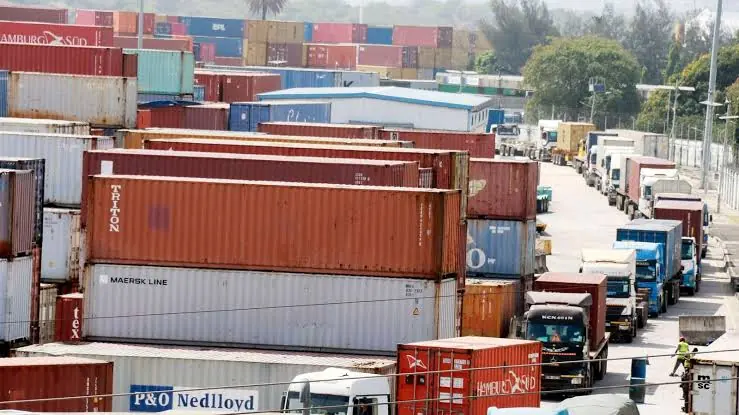
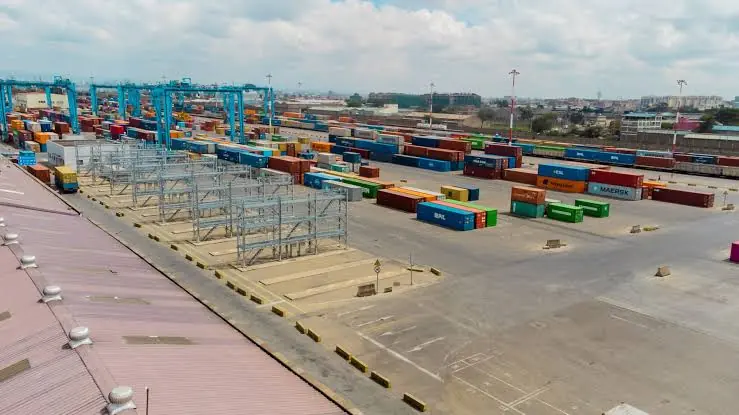
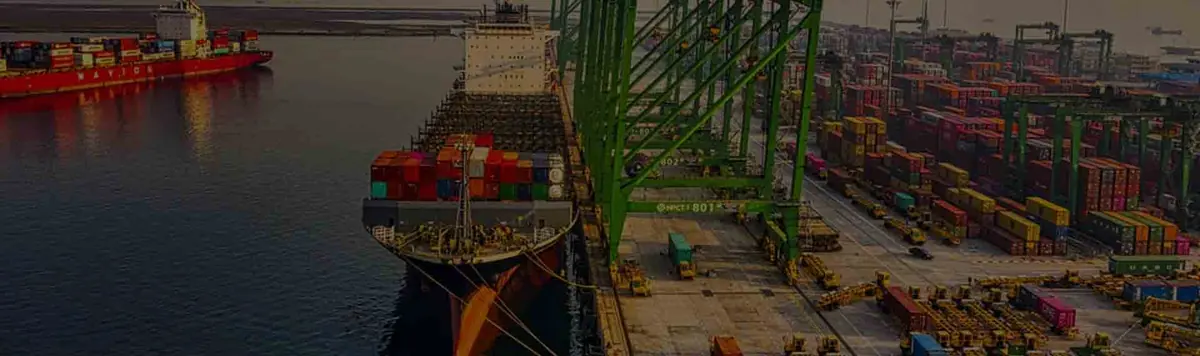
The port of Mombasa, run by the Kenya Ports Authority (opens in a new tab), is the start of the Northern Corridor. This is the network of roads, rail, pipelines and border posts that links the Kenyan coast with Uganda, Rwanda, Burundi, South Sudan and the DRC. The Northern Corridor Transit and Transport Coordination Authority (opens in a new tab) (NCTTCA) coordinates policy on the corridor, and the DRC is one of its six member states.
For eastern DRC, Mombasa competes with Dar es Salaam, the start of the Central Corridor. Neither port is always better. The choice depends on:
- which port your shipping line serves well from your origin;
- where exactly the cargo is going inside the DRC;
- the current situation at the ports, on the roads and at the borders;
- the type of cargo and how urgent it is.
We compare the two in detail in Mombasa vs Dar es Salaam.
Which parts of the DRC can you reach from Mombasa?
The DRC is a very large country, and its regions are served by different gateways. As a rule of thumb:
| Region | Main cities | Usual gateway |
|---|---|---|
| North Kivu and Ituri | Goma, Butembo, Beni, Bunia | Mombasa (via Uganda or Rwanda) or Dar es Salaam (via Rwanda) |
| South Kivu | Bukavu, Uvira | Mombasa or Dar es Salaam, via Rwanda; or Burundi for Uvira |
| Haut-Katanga and Lualaba | Lubumbashi, Kolwezi | Dar es Salaam via Zambia, or southern African ports |
| Kinshasa and the west | Kinshasa, Matadi | Atlantic port of Matadi |
So when people talk about Mombasa to DRC freight, they almost always mean cargo for the east. If your buyer is in Kinshasa, Mombasa is very rarely the most practical option.
Mombasa to DRC freight: route options
After discharge and release at Mombasa, a truck carries the container west through Kenya to the Ugandan border at Malaba or Busia. From Uganda there are two broad options:
- Straight into the DRC from Uganda. Border posts such as Mpondwe–Kasindi and Bunagana lead into North Kivu. This can suit cargo for Beni, Butembo and nearby towns.
- Through Rwanda. The truck enters Rwanda at Gatuna/Katuna or Kagitumba/Mirama Hills and crosses the country to Rubavu (for Goma) or Rusizi (for Bukavu).
Each option has its own transit documents, border procedures and risks. Our Mombasa to DRC logistics page shows how we plan each one.
How customs works for DRC cargo landing at Mombasa
The key idea is transit. Your goods are not imported into Kenya, Uganda or Rwanda. They pass through these countries under customs control and are only imported in the DRC.
In practice this means:
- At Mombasa, the cargo is declared for transit, not for import into Kenya. Kenyan customs releases it to move inland under bond.
- On the road, the truck travels under customs control. On the Northern Corridor, transit cargo is monitored with electronic seals under the Regional Electronic Cargo Tracking System (opens in a new tab) launched by Kenya, Uganda and Rwanda in 2017.
- At each border, the transit is closed in one country and opened in the next.
- At the DRC border or an inland customs office, the importer's declaration is processed by the DGDA, duties and taxes are paid, and the goods are released.
The East African Community's Single Customs Territory, which lets goods for Rwanda or Uganda be declared once at destination, applies to the EAC partner states that operate it. The DRC joined the EAC in 2022, but its imports are cleared through its own customs authority and procedures. For a step-by-step explanation, read how customs clearance works for transit cargo to the DRC.
Documents you will need
| Document | Why it matters |
|---|---|
| Bill of lading | Must name the DRC consignee and show the DRC as final destination |
| Commercial invoice | The basis of customs value and duties in the DRC |
| Packing list | Used to check the cargo at borders and inspections |
| Transit declarations | One for each transit country, lodged by the forwarder |
| Importer registration | The DRC importer's identification with the authorities |
| Permits and certificates | For regulated goods such as food, medicines or chemicals |
| Cargo-tracking or pre-shipment documents | Required for some shipments and routings; confirm before your supplier ships |
The single most common problem we see is inconsistency: a consignee name spelled differently on the bill of lading and the invoice, or weights that do not match the packing list. Each mismatch can trigger questions at a border.
What kinds of cargo move on this route?
Eastern DRC imports a wide range of goods through East African ports, including:
- food products and consumer goods;
- construction materials and steel;
- vehicles, machinery and spare parts;
- equipment for mining, energy and telecoms projects;
- humanitarian and relief cargo.
Each cargo type has different needs. Perishables need fast processing and suitable vehicles. Heavy machinery may need flatbed or lowbed trailers and special permits. Regulated products need certificates arranged before shipment.
Common challenges on the Mombasa to DRC route
Border changes. The Kivus have seen repeated disruption from insecurity, political tension and health emergencies. In May 2026, for example, the Goma–Rubavu crossings were closed for about a month after an Ebola case was confirmed in Goma (The EastAfrican (opens in a new tab)). A route that worked last month may not work today.
Container free time. Shipping lines give a limited number of free days before demurrage and detention charges start. On a long route to the DRC, the time it takes to return the empty container can be considerable. Plan for it, or ask your forwarder about devanning options.
Document queries. Incomplete or inconsistent paperwork leads to delays at Mombasa, at each border and at destination.
Long road journey. The longer the route, the more chance of breakdowns, accidents or delays at weighbridges and checkpoints. Insurance and good communication with the transporter matter.
Different rules in each country. Kenya, Uganda, Rwanda and the DRC each have their own procedures and authorities. A forwarder who works across all of them saves you from managing each one yourself.
How to prepare your shipment
- Confirm the final destination inside the DRC before you book, so the route can be planned.
- Agree the Incoterm with your supplier. Many importers buy FOB or CFR and appoint their own forwarder for the inland leg. The ICC's Incoterms rules (opens in a new tab) define who pays and carries risk at each point.
- Share draft documents early. Ask your supplier to send the draft bill of lading, invoice and packing list before the ship sails, so errors can be corrected.
- Check product requirements in the DRC for regulated goods.
- Arrange insurance. A long multimodal journey has many hand-overs. Cargo insurance protects the value of your goods.
- Confirm the border status on the day of dispatch.
How Haraka Freight helps
Haraka Freight International is a logistics company based in Kigali. We transit commodities to Goma and Bukavu and provide transportation, warehousing and distribution services in Kenya, Uganda, Tanzania, Rwanda and Burundi. On the Mombasa to DRC route we:
- check your documents before the vessel arrives;
- handle the transit declarations and port release at Mombasa;
- organise trucking along the corridor, through Uganda and, where used, Rwanda;
- coordinate the border crossings and the hand-over for DRC clearance;
- keep you updated, including when border conditions change.
For lane details, see our Mombasa to DRC logistics service, and for city-specific guidance read Mombasa to Goma freight and Mombasa to Bukavu freight. Our hub article how to ship cargo from Mombasa covers Rwanda and Burundi as well.
Conclusion
Mombasa to DRC freight works best when it is planned as one journey rather than a series of separate legs. Choose the route for your exact destination, get the documents right before the ship arrives, treat the cargo as transit until it reaches the DRC, and check the border situation before the truck leaves. With those basics in place, most delays can be avoided.
If you have a shipment coming up, send us the details through our quote form or WhatsApp our Kigali team.
Sources: Northern Corridor Transit and Transport Coordination Authority (opens in a new tab); Kenya Ports Authority (opens in a new tab); World Customs Organization, RECTS launch (2017) (opens in a new tab); The EastAfrican, Goma–Rubavu border (2026) (opens in a new tab); ICC Incoterms rules (opens in a new tab).
Frequently asked questions
Can all DRC cargo be shipped through Mombasa?
Mombasa is practical mainly for eastern DRC, including North and South Kivu and Ituri. Western DRC, including Kinshasa, is usually served through the Atlantic port of Matadi, and the south-east (Lubumbashi) is usually reached from Dar es Salaam through Zambia.
Who clears DRC cargo that arrives at Mombasa?
The cargo is handled as transit in Kenya and in each country it crosses. Import clearance happens in the DRC with the Direction Générale des Douanes et Accises (DGDA).
Which border is used for Mombasa to DRC freight?
It depends on the destination. Goma is usually reached through Rwanda at Rubavu, Bukavu through Rwanda at Rusizi, and parts of North Kivu and Ituri directly from Uganda, for example via Mpondwe–Kasindi.
What documents does a DRC importer need?
Usually a bill of lading naming the DRC consignee, the commercial invoice, packing list, transit declarations, the importer's registration details, and any permits, inspection or cargo-tracking documents that apply to the goods and routing.
How can I reduce delays on Mombasa to DRC shipments?
Send complete documents before the vessel arrives, make sure every document names the consignee identically, describe goods precisely, and confirm the border situation before the truck is dispatched.
Published · Last updated

Haraka Freight International Ltd is a logistics company based at Ituze House, KG 11 Avenue, Bibare, Kigali, Rwanda. We handle freight forwarding, customs clearance, IOR/EOR and DDP shipments, warehousing, trucking and regional distribution in Kenya, Uganda, Tanzania, Rwanda and Burundi, with transit cargo to Goma and Bukavu.