In this article
- What "Central Africa" means for shippers
- Two corridors, many branches
- The border chain: which crossings does your cargo use?
- How transit customs works on a long-haul journey
- Road, rail or lake?
- The main challenges on routes into Central Africa
- How to plan cross-border freight to Central Africa
- How Haraka Freight helps
- Conclusion
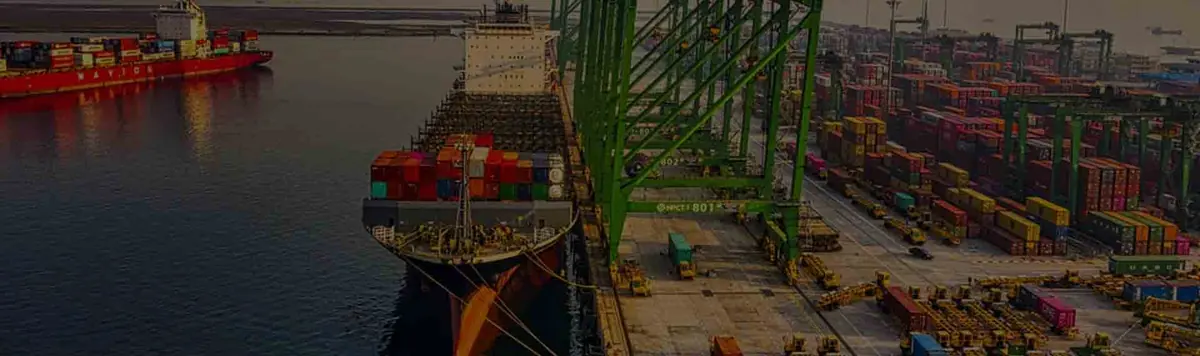
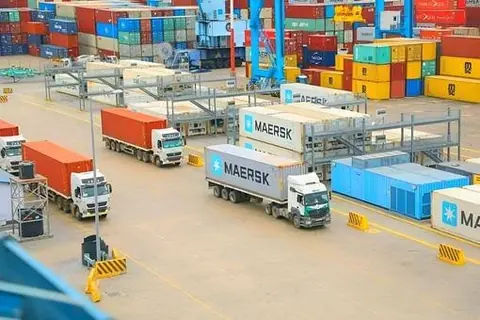
Kenya and Tanzania are the trading doors of the Great Lakes region. Factories in Nairobi, distributors in Dar es Salaam and containers landing at Mombasa all feed a steady flow of trucks heading west into Rwanda, Burundi and the Democratic Republic of the Congo. Cross-border freight to Central Africa is long, involves several countries and can be disrupted by events far from the shipper's office.
This guide looks at the big picture: what "Central Africa" means for shippers, which corridors and borders are used, how transit customs works, and how to plan long-haul shipments that arrive when they should. For the short, local crossings between Rwanda, the DRC and Burundi, see our separate guide to cross-border logistics between Rwanda, DRC and Burundi.
What "Central Africa" means for shippers
Geographers define Central Africa in different ways. For logistics, the useful definition is practical: the landlocked markets that East African ports and roads serve to the west. In this guide that means:
- Rwanda, with Kigali as the main destination;
- Burundi, with Bujumbura on Lake Tanganyika;
- Eastern DRC, especially Goma and Bukavu in the Kivus, and towns near the Ugandan border;
- South-eastern DRC, around Lubumbashi and Kolwezi, which is reached through Zambia.
Western DRC, including Kinshasa, is a different market. It is mainly served through the Atlantic port of Matadi rather than through Kenya or Tanzania.
Two corridors, many branches
The region's two main trade corridors start at the coast:
- The Northern Corridor runs from Mombasa through Kenya and Uganda to Rwanda, Burundi, eastern DRC and South Sudan. Its coordinating body is the Northern Corridor Transit and Transport Coordination Authority (opens in a new tab).
- The Central Corridor runs from Dar es Salaam across Tanzania to Rwanda, Burundi, the DRC and beyond. It is coordinated by the Central Corridor Transit Transport Facilitation Agency (opens in a new tab), whose members also include Uganda, Zambia and Malawi.
Cargo that starts inland in Kenya or Tanzania, for example at a factory in Nairobi or a warehouse in Arusha or Mwanza, joins these corridors part-way. It skips the port but still crosses the same borders. Our detailed comparison is in Northern Corridor vs Central Corridor.
The border chain: which crossings does your cargo use?
| From | To | Typical border chain |
|---|---|---|
| Kenya | Rwanda | Malaba or Busia (Kenya–Uganda) → Gatuna/Katuna or Kagitumba/Mirama Hills (Uganda–Rwanda) |
| Kenya | Goma / Bukavu | As above, then Rubavu–Goma or Rusizi–Bukavu; or Uganda directly into North Kivu (e.g. Mpondwe–Kasindi) |
| Kenya | Burundi | Through Uganda and Rwanda, or through Tanzania to Kobero/Kabanga, depending on border conditions |
| Tanzania | Rwanda | Rusumo |
| Tanzania | Goma / Bukavu | Rusumo, then across Rwanda to Rubavu or Rusizi |
| Tanzania | Burundi | Kobero/Kabanga, or rail to Kigoma and across Lake Tanganyika |
| Tanzania | Lubumbashi | Tunduma–Nakonde (Tanzania–Zambia) → Kasumbalesa (Zambia–DRC) |
Each border in the chain is a hand-over between customs systems. The transit opened in one country has to be closed at the exit, and a new one opened, or the goods declared, on the other side.
How transit customs works on a long-haul journey
Long-haul cargo for Central Africa is almost always transit cargo in the countries it crosses. It is not imported there, so duties are not paid there. Instead, it moves under customs control, usually backed by a bond or guarantee, until it reaches its destination.
For Rwanda and Burundi, the EAC Single Customs Territory applies. The importer declares the goods once, in the destination country, and pays the duties there. The port-country authority receives the manifest before the ship arrives and the destination authority issues the release (Tanzania Revenue Authority explainer (opens in a new tab)).
For the DRC, goods travel in transit through Kenya, Uganda, Rwanda, Tanzania or Zambia, and are imported in the DRC through its customs authority, the DGDA (opens in a new tab).
On the Northern Corridor, transit trucks are tracked with electronic seals under the Regional Electronic Cargo Tracking System (opens in a new tab), launched by Kenya, Uganda and Rwanda in 2017. The seal reports the vehicle's location and any tampering to customs.
For a step-by-step explanation of DRC procedures, see how customs clearance works for transit cargo to the DRC.
Road, rail or lake?
Road carries most cargo. It is flexible, door-to-door and available from almost any origin. Its weaknesses are cost on very long routes, weighbridge and checkpoint delays, and exposure to road and border disruptions.
Rail can play a part on the Central Corridor. Tanzania's central line reaches Kigoma on Lake Tanganyika, and the TAZARA railway (opens in a new tab) links Tanzania with Zambia on the way to Lubumbashi. Rail can suit heavy, non-urgent cargo, but it adds transfers at each end.
Lake transport connects Kigoma with Bujumbura and with ports on the DRC shore of Lake Tanganyika, and Rwanda's Rubavu Port now serves trade with Goma on Lake Kivu. Every lake leg adds loading and unloading, so it suits robust cargo better than fragile goods.
Many shipments combine modes. The right mix depends on the cargo, the destination and what services are running reliably at the time.
The main challenges on routes into Central Africa
- Distance and time. Long journeys mean more fuel, more driver days and more opportunities for delay.
- Border changes. Health, security and political decisions can close or slow a crossing at short notice. In 2026 alone, the Goma–Rubavu crossings were closed for about a month after an Ebola case in Goma (The EastAfrican (opens in a new tab)), and Burundi's land border with Rwanda remained closed to people (KT Press (opens in a new tab)).
- Document mismatches. One inconsistent name or weight can stop a truck at a border.
- Container returns. Shipping lines charge for containers kept beyond the free period. A container trucked deep inland has a long way to come back.
- Weights and road rules. Axle-load limits are enforced at weighbridges along both corridors.
- Security of cargo. Long routes need sealed, tracked vehicles and drivers who stay in contact.
How to plan cross-border freight to Central Africa
- Start with the final address. It decides the corridor, the border chain and the customs model.
- Choose the mode and equipment. Container or loose cargo, full or part load, road only or road with rail or lake.
- Prepare documents at origin. Invoice, packing list and transport documents must match. Add certificates of origin and permits where needed.
- Lodge declarations early. For Rwanda and Burundi, the destination declaration can be prepared before the cargo leaves the coast.
- Arrange transit bonds and insurance. Cargo insurance is worth having on any long-haul move.
- Check border status before dispatch. And again before each crossing.
- Plan the empty container return or devanning at a facility closer to the port.
- Agree how you will be updated. You should know where your cargo is without having to chase.
How Haraka Freight helps
Haraka Freight International provides transportation, warehousing and distribution services in Kenya, Uganda, Tanzania, Rwanda and Burundi, and transits commodities to Goma and Bukavu. For long-haul freight into Central Africa we plan the corridor and border chain, prepare transit and destination documents, organise the trucks, coordinate each crossing and handle clearance and delivery. If a border closes, we can hold goods in storage and re-route when conditions allow.
Explore our overland routes from Kenya to the DRC and Tanzania to the DRC, our cross-border logistics service, or the full list of freight routes.
Conclusion
Cross-border freight to Central Africa is a chain of countries, borders and customs systems. Shippers who plan the whole chain, from the final address back to the origin, avoid most of the delays that give these routes their reputation. Choose the corridor that fits the destination, get the documents right before departure, follow the transit rules and keep checking the borders. To plan your next shipment, request a quote.
Sources: NCTTCA (opens in a new tab); CCTTFA (opens in a new tab); TRA, Single Customs Territory (opens in a new tab); World Customs Organization, RECTS (2017) (opens in a new tab); TAZARA (opens in a new tab); The EastAfrican (2026) (opens in a new tab); KT Press (2026) (opens in a new tab).
Frequently asked questions
What does Central Africa mean for freight from East Africa?
In practice it usually means Rwanda, Burundi and the Democratic Republic of the Congo, especially the eastern provinces of North and South Kivu and the south-eastern copper belt around Lubumbashi.
How many borders does cargo cross from Kenya to the DRC?
Usually three or four. A typical Northern Corridor journey crosses Kenya–Uganda, then either Uganda–DRC directly, or Uganda–Rwanda and then Rwanda–DRC.
Is rail an option for Central Africa cargo?
Sometimes. Tanzania's central railway reaches Kigoma on Lake Tanganyika, from where cargo can cross the lake to Burundi or the DRC, and the TAZARA railway links Tanzania and Zambia for the route to Lubumbashi. Suitability depends on the cargo and the services available.
Do I pay duty in Kenya or Tanzania on cargo for Central Africa?
Not on goods in transit. Goods for Rwanda and Burundi are declared and taxed at destination under the Single Customs Territory, and goods for the DRC travel in transit and are imported in the DRC.
What is the biggest risk on long-haul routes into Central Africa?
Changes at the borders, followed by document errors. Both can hold a truck for days. Checking the border situation before dispatch and getting the documents right at origin are the best protection.
Published · Last updated

Haraka Freight International Ltd is a logistics company based at Ituze House, KG 11 Avenue, Bibare, Kigali, Rwanda. We handle freight forwarding, customs clearance, IOR/EOR and DDP shipments, warehousing, trucking and regional distribution in Kenya, Uganda, Tanzania, Rwanda and Burundi, with transit cargo to Goma and Bukavu.