In this article
- Understanding the route from Kenya to Burundi
- The Rwanda–Burundi border and what it means for you
- Customs and EAC rules of origin
- Documents for Kenya to Burundi shipments
- Logistics solutions for different types of shipper
- Kenya to Burundi logistics: tips to avoid delays
- Kenya to Burundi logistics: costs to budget for
- Containers arriving at Mombasa
- How we support Kenya–Burundi trade
- Conclusion
Trade between Kenya and Burundi covers everything from packaged foods and household goods to building materials and machinery. Moving those goods is less straightforward than it used to be. Routes have had to adapt to border changes, and buyers in Bujumbura need suppliers and forwarders who plan carefully. This guide to Kenya to Burundi logistics explains the routes, rules and documents, and the practical solutions available to traders today.
Understanding the route from Kenya to Burundi
Burundi does not share a border with Kenya. Every Kenya to Burundi shipment therefore crosses at least one other country, and often two. The traditional road route follows the Northern Corridor west through Kenya into Uganda, south into Rwanda and then into Burundi. An alternative runs south from Kenya into Tanzania and west to the Burundian border.
Both routes have been used for many years. What has changed is the situation on the Rwanda–Burundi border.
The Rwanda–Burundi border and what it means for you
On 11 January 2024 Burundi shut its land frontier with Rwanda. Reporting by KT Press (opens in a new tab) in September 2026 describes a border that people still cannot cross, even though commercial goods keep moving and bilateral trade has expanded.
For Kenya to Burundi logistics, this creates uncertainty rather than a simple yes or no. A route through Rwanda may be workable for some cargo at some times, while the Tanzania route avoids the question altogether. The practical answer is to decide the route shortly before dispatch, based on current information.
| Route | Path | Pros | Things to check |
|---|---|---|---|
| Via Uganda and Rwanda | Kenya → Malaba/Busia → Uganda → Rwanda → Burundi | Traditional Northern Corridor route | Whether the Rwanda–Burundi crossing is workable for your cargo |
| Via Tanzania | Kenya → Kenya–Tanzania border → Tanzania → Kobero/Kabanga → Burundi | Avoids the Rwanda–Burundi border | Different transit documents; route length from your pick-up point |
Customs and EAC rules of origin
Kenya and Burundi are both members of the East African Community Customs Union. Goods that originate in an EAC partner state, under the EAC rules of origin, can trade duty-free between partner states when supported by a valid EAC certificate of origin. Goods that were simply imported into Kenya from outside the region do not automatically qualify.
The customs steps are:
- Export from Kenya. The supplier lodges an export declaration with the Kenya Revenue Authority (opens in a new tab).
- Transit. The goods cross the transit countries under customs control.
- Import into Burundi. The importer's declaration is assessed by the Office Burundais des Recettes (opens in a new tab) (OBR), any taxes are paid and the goods are released.
Read how customs clearance works for transit cargo to Burundi for more on the Burundian side.
Documents for Kenya to Burundi shipments
- Commercial invoice and packing list, naming the Burundian buyer
- Kenyan export declaration
- EAC certificate of origin, for goods that qualify
- Transit documents for each country crossed
- Product permits and certificates where required, for example for food products
- The importer's tax identification in Burundi
Logistics solutions for different types of shipper
Large importers and distributors
Companies that move full truckloads regularly benefit from dedicated FTL trucks, fixed pick-up schedules and agreed document templates with their Kenyan suppliers. A forwarder can review the route each time and switch quickly if a border situation changes.
Small and medium traders
Traders who buy smaller quantities can use part-load (LTL) services, sharing a truck with other consignments. Consolidating orders from several Kenyan suppliers into one shipment reduces paperwork and cost per item.
Manufacturers supplying Burundi
Kenyan manufacturers selling to Burundian buyers often want to quote delivered prices. Using a clear Incoterm, such as DAP Bujumbura, and a forwarder who handles both the export and the delivery, makes those prices reliable. The ICC Incoterms rules (opens in a new tab) define each term.
Project and humanitarian shipments
Equipment and relief goods often have fixed deadlines and special paperwork, such as exemptions. Share the project details early so the documents and route can be prepared in time.
Kenya to Burundi logistics: tips to avoid delays
- Confirm the route on the day of dispatch, not when you place the order.
- Check the certificate of origin. An invalid or missing certificate can cost you the duty-free treatment.
- Keep names and numbers identical across every document.
- Describe goods precisely, with correct tariff codes.
- Plan for perishables: suitable vehicles and permits, and the fastest workable route.
- Insure the cargo with cargo insurance, since the journey crosses several borders.
Kenya to Burundi logistics: costs to budget for
Freight rates are only one part of the landed cost. When you compare quotes or set selling prices in Burundi, include:
- Transport from the Kenyan pick-up point to the delivery address.
- Export costs in Kenya, such as documentation and any inspection fees.
- Transit costs, including bonds or guarantees and border charges in each country crossed.
- Import duties and taxes in Burundi, which depend on the tariff classification, value and origin of the goods.
- Clearing and handling charges at destination.
- Insurance, which is usually a small percentage of the cargo value but can save a business in a bad year.
- Storage, if goods wait for a buyer or a border to reopen.
Ask your forwarder to itemise these, so you can see exactly where the money goes and spot savings.
Containers arriving at Mombasa
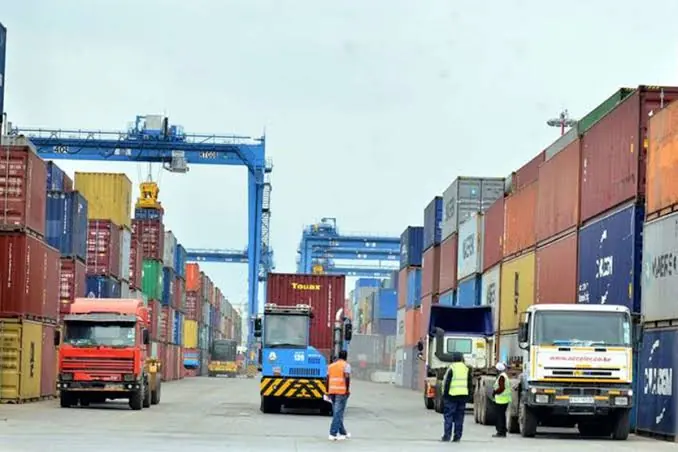
If your goods are arriving from outside Africa through Mombasa, the process is different: the cargo is in transit from the port and is declared in Burundi under the Single Customs Territory. Read Mombasa to Burundi freight for that scenario.
How we support Kenya–Burundi trade
Our Kigali team runs transport, storage and distribution across five East African countries, Burundi and Kenya included. On this lane we collect from your supplier, prepare or check the export and transit documents, choose the route based on current conditions, coordinate the border crossings and hand the goods over for OBR clearance and delivery.
See our Kenya to Burundi freight service for details, our guide to road freight from Kenya for trucking practicalities, and East Africa to Burundi freight forwarding for a wider view.
Conclusion
Kenya to Burundi logistics works well when you plan for the current reality: no direct border, a sensitive Rwanda–Burundi crossing, and customs rules that reward correct origin documents. Choose the route close to dispatch, get the paperwork right in Kenya and use part loads where volumes are small. To plan your next shipment, request a quote or WhatsApp our team in Kigali.
Sources: KT Press (Sept 2026) (opens in a new tab); Kenya Revenue Authority (opens in a new tab); Office Burundais des Recettes (opens in a new tab); ICC Incoterms (opens in a new tab).
Frequently asked questions
How do goods travel from Kenya to Burundi?
By road, either through Uganda and Rwanda, or through Tanzania to the Kobero/Kabanga border. The best route depends on the current border situation and the cargo.
Are Kenyan products duty-free in Burundi?
Goods that meet the EAC rules of origin, supported by a valid certificate of origin, can benefit from duty-free treatment within the EAC Customs Union. Other taxes and charges may still apply.
Who clears the goods in Burundi?
The Office Burundais des Recettes (OBR) handles customs in Burundi.
Can small traders ship from Kenya to Burundi economically?
Yes. Part-load (LTL) services let several consignments share a truck, so you pay only for the space you use.
How do I avoid delays at the border?
Prepare consistent documents, a valid certificate of origin and any product permits before the truck leaves Kenya, and confirm the routing on the day of dispatch.
Published · Last updated

Haraka Freight International Ltd is a logistics company based at Ituze House, KG 11 Avenue, Bibare, Kigali, Rwanda. We handle freight forwarding, customs clearance, IOR/EOR and DDP shipments, warehousing, trucking and regional distribution in Kenya, Uganda, Tanzania, Rwanda and Burundi, with transit cargo to Goma and Bukavu.