In this article
Kenya is East Africa's largest economy and a major source of manufactured goods, food products and re-exports for its western neighbours. A lot of that trade moves by truck. Whether you are a Nairobi manufacturer selling into Kigali, a distributor in Kisumu supplying Goma, or an importer bringing goods through Mombasa, road freight from Kenya is likely to be part of your supply chain.
This guide covers what businesses need to know: the routes, the choice of truck, loading and weight rules, documents, borders, the main cost drivers and practical tips. For lane-specific services, see our Kenya to Rwanda freight, Kenya to DRC and Kenya to Burundi pages.
The routes west from Kenya
All the main routes use the Northern Corridor, which runs from Mombasa through Nairobi and western Kenya to Uganda and beyond. The corridor is coordinated by the Northern Corridor Transit and Transport Coordination Authority (opens in a new tab).
| Destination | Typical road route | Main borders |
|---|---|---|
| Rwanda (Kigali) | Kenya → Uganda → Rwanda | Malaba or Busia; then Gatuna/Katuna or Kagitumba/Mirama Hills |
| Goma (North Kivu) | Kenya → Uganda → Rwanda → DRC | As above, then Rubavu–Goma |
| Beni, Butembo (North Kivu) | Kenya → Uganda → DRC | Malaba or Busia; then e.g. Mpondwe–Kasindi |
| Bukavu (South Kivu) | Kenya → Uganda → Rwanda → DRC | As above, then Rusizi–Bukavu |
| Burundi (Bujumbura) | Kenya → Uganda → Rwanda → Burundi, or via Tanzania | Depends on the border situation |
For Burundi, the routing needs extra care. Burundi closed its land border with Rwanda in January 2024, and goods but not people were still crossing in September 2026 according to KT Press (opens in a new tab). Some Kenya–Burundi cargo is therefore routed through Tanzania. We confirm the best option for each load.
Where your road freight starts
Road freight from Kenya does not always start at the port. Common origins include:
- Mombasa, for imported containers in transit;
- Nairobi and its industrial areas, for manufactured and distributed goods;
- inland container depots and bonded warehouses, where imports are stored or consolidated;
- western Kenya, such as Kisumu and Eldoret, for agricultural and processed products.
Collecting from an inland origin means the export or transit documents are prepared there, and the truck heads straight for the Ugandan border.
Choosing the right truck
| Vehicle | Suits |
|---|---|
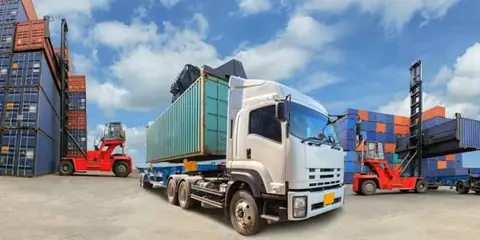
| Container chassis (skeletal trailer) | 20ft and 40ft containers |
| Flatbed trailer | Steel, timber, machinery, bagged goods (with secure lashing and covers) |
| Curtain-side or tautliner | Palletised goods that need side loading and weather protection |
| Box body / closed van | Consumer goods, cartons, high-value items |
| Lowbed or extendable trailer | Heavy and oversized machinery |
| Refrigerated truck | Chilled or frozen goods, some pharmaceuticals |
| Tanker | Liquids, under specific rules for dangerous goods |
Choosing the wrong vehicle causes more delays than most people expect: goods that are not protected from rain, loads that cannot be secured, or a trailer that cannot reach the delivery site.
Weights, axle loads and loading
Axle-load and gross vehicle weight limits apply along the corridor, and trucks are checked at weighbridges. An overloaded truck can be held until the load is redistributed or reduced, and penalties may apply. To avoid this:
- declare accurate weights on the packing list;
- distribute the load evenly over the axles;
- secure cargo with straps, chains or bracing appropriate to the goods;
- use pallets and shrink-wrap for cartons;
- weigh heavy or dense loads before departure.
For heavy or oversized cargo, special permits and sometimes escorts are required. Plan these well in advance.
Documents for road freight from Kenya
Cargo documents
- commercial invoice and packing list;
- road consignment note or bill of lading;
- certificate of origin, if you are claiming preferential treatment for goods that meet the EAC rules of origin;
- export declaration (for goods exported from Kenya) or transit declarations (for goods in transit);
- destination import declaration (Rwanda and Burundi under the Single Customs Territory; DRC with the DGDA);
- permits and certificates for regulated goods.
Vehicle and driver documents
- vehicle registration and roadworthiness documents;
- insurance valid for each country crossed;
- driver's licence and identification;
- any cross-border permits required for the vehicle.
Borders and electronic tracking
The first border is usually Malaba or Busia between Kenya and Uganda. Transit cargo in Kenya, Uganda and Rwanda is monitored with electronic seals under the Regional Electronic Cargo Tracking System (opens in a new tab), launched in 2017. The seal reports the truck's position and any tampering to customs, so the truck should follow its declared route without unplanned stops.
At each border, the transit in the departing country is closed and a new transit opened, or the goods declared for import, on the other side. For goods going to Rwanda or Burundi, the destination declaration under the Single Customs Territory can be prepared before the truck leaves Kenya. DRC-bound cargo is imported through the DGDA; see how customs clearance works for transit cargo to the DRC.
What drives the cost of road freight from Kenya
We do not publish rates because they change with fuel prices, demand and conditions. The main cost drivers are:
- distance and the number of borders crossed;
- full truckload or part load;
- vehicle type (lowbeds and reefers cost more);
- the return load situation (a truck that would otherwise return empty costs more);
- border fees, transit bonds and road charges;
- waiting time at borders or the delivery site;
- insurance and any security or escort requirements.
Practical tips
- Book early during busy seasons, when truck availability tightens.
- Pack for the road: palletise, wrap and label clearly.
- Match names and numbers on every document.
- Prepare declarations before the truck leaves, not at the border.
- Check border status on the day of dispatch, especially for Burundi and the Kivus.
- Plan unloading at the destination: equipment, labour and access for a long trailer.
- Insure the goods with cargo insurance.
How Haraka Freight helps
Haraka Freight International provides transportation, warehousing and distribution services in Kenya, Uganda, Tanzania, Rwanda and Burundi, and moves transit cargo to Goma and Bukavu. For road freight from Kenya we collect from the port, a depot or your premises, choose the right vehicle, prepare export, transit and destination documents, coordinate each border and deliver to your door. Our road transport service covers full and less-than trailer loads, door pick-ups and stuffing, packaging and fumigation, dangerous goods and perishables, and project and heavy-lift cargo.
Conclusion
Road freight from Kenya connects East Africa's biggest economy with Rwanda, the DRC and Burundi. Choose the right route for the destination, the right truck for the goods, load within the limits, and get the documents ready before the truck sets off. With that in place, the Northern Corridor is a dependable way to move freight west. To book or price a load, request a quote.
Sources: NCTTCA (opens in a new tab); WCO, RECTS launch (2017) (opens in a new tab); Kenya Revenue Authority (opens in a new tab); KT Press (2026) (opens in a new tab).
Frequently asked questions
What is the main road route from Kenya to Rwanda?
Trucks travel west through Kenya to the Ugandan border at Malaba or Busia, cross Uganda and enter Rwanda at Gatuna/Katuna or Kagitumba/Mirama Hills. This is the Northern Corridor road route.
Can I send a part load by road from Kenya?
Yes. Less-than-truckload (LTL) or groupage services combine several customers' goods in one truck. They suit smaller consignments, but need careful packing and labelling.
Do trucks from Kenya to the DRC need special documents?
DRC-bound goods travel in transit through Kenya, Uganda and, where used, Rwanda, so they need transit declarations and guarantees in each country, plus the DRC import documents. Vehicles and drivers also need the right permits and insurance for each country.
Why do weighbridges matter?
Axle-load and gross weight limits are enforced at weighbridges along the corridor. An overloaded truck can be held until the load is corrected and may face penalties, so loads must be planned and weighed correctly.
How is cargo tracked on the road from Kenya?
Transit cargo in Kenya, Uganda and Rwanda is monitored through the Regional Electronic Cargo Tracking System, which uses electronic seals. Many transporters also use their own GPS tracking.
Published · Last updated

Haraka Freight International Ltd is a logistics company based at Ituze House, KG 11 Avenue, Bibare, Kigali, Rwanda. We handle freight forwarding, customs clearance, IOR/EOR and DDP shipments, warehousing, trucking and regional distribution in Kenya, Uganda, Tanzania, Rwanda and Burundi, with transit cargo to Goma and Bukavu.